Learn About Essential Tree Service Practices for Ideal Tree Well-being
Understanding tree care is essential for ensuring ecological wellness. Crucial methods such as mulching and pruning are vital factors in enhancing tree health. Additionally, proper watering techniques are crucial for new root growth. Nonetheless, most people miss the indicators of tree illness and the need for expert assistance. Investigating these factors can foster a greater respect for how to maintain trees. What steps can one take to help their trees grow strong?
Grasping the Value of Healthy Trees
Understanding the importance of tree health is critical, as trees are instrumental in preserving the ecosystem's equilibrium and improving city settings. Healthy trees contribute to air quality, offer cooling shade, and support wildlife habitats. Furthermore, they help lessen climate change by capturing carbon, which makes them vital for environmental sustainability.
Within metropolitan areas, well-maintained trees improve aesthetics, increase property values, and promote community well-being. Trees help diminish the urban heat effect in cities, resulting in reduced utility bills.
Neglecting tree health, in contrast, can result in disease, bug invasions, and weakness in structure, creating dangers to both the trees and surrounding infrastructure. Consequently, knowing the markers of tree well-being, like the color of the leaves, its development rate, and the tree's outer layer, is essential for effective management. In conclusion, fostering healthy trees supports not only individual landscapes but also the broader ecosystem, stressing the importance for proactive care and maintenance techniques.
Essential Pruning Techniques
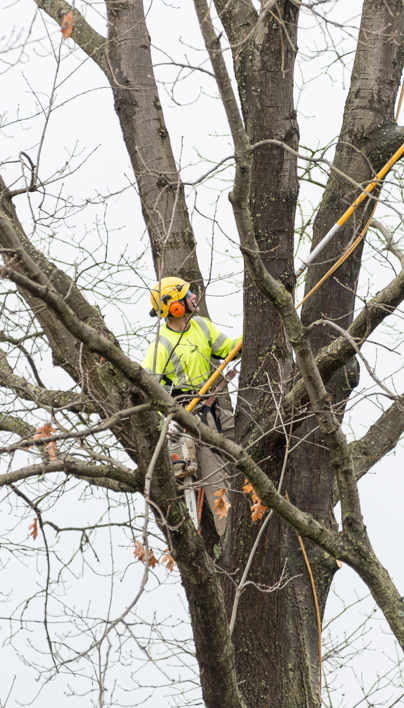
Cutting branches is a vital method in tree care that guarantees ideal growth and health, as it takes away unhealthy branches and boosts ventilation within the canopy. Using the right methods ensures the trees can thrive in their environment.
A key method is "thinning," which means taking off certain branches to enhance light penetration and decrease stress on weaker parts. 'Heading cuts' is a different technique, where the tips of branches are trimmed to promote bushier growth, mainly in juvenile trees. Furthermore, the 'crown reduction' technique lowers the overall height of a tree while maintaining its natural shape.
When to prune is key; cutting during the inactive period reduces strain and optimizes healing. Pruning implements must be sharp and sterile to avoid damage and infection transfer. Understanding these important pruning techniques is necessary for all tree specialists who seeks to keep healthy and beautiful trees.
Identifying Common Tree Diseases
What helps tree owners spot the indicators of typical illnesses that put their trees at risk? Familiarity with key indicators is vital for quick spotting and action. Typical signs involve leaves that are yellowing or drooping, suggesting potential fungal issues or a lack of necessary nutrients. Unusual growths, like cankers or galls, can signal the presence of pests or diseases that harm the tree's vitality. Additionally, bark shedding or sticky sap may indicate infections that require immediate attention.
Tree owners should also observe changes in tree structure, such as branches dying or leaves falling, suggesting a deeper, more serious issue. Monitoring for signs of insect infestations, for instance, sawdust or bark holes, is necessary too. Through vigilance and promptness, owners are able to spot these frequent ailments and find suitable treatments, to keep their trees healthy and vigorous across the different seasons.
The Role of Mulching in Tree Care
Mulching is a key technique in tree care, giving various benefits that promote healthy growth and durability. It means spreading a layer of organic or inorganic material around the base of a tree, which helps retain soil moisture, keeping weeds down, and moderating temperature fluctuations. This protective barrier doesn't just limit rivalry from competing weeds but also boosts the visual appeal of the area.
Furthermore, organic mulches, like bark or wood chips, break down eventually, enriching the soil with crucial nutrients and improving its structure. This continuous action aids in root growth and fosters a healthier environment for the plant. Additionally, applying mulch helps stop the erosion of soil, which helps maintain the stability of the tree’s root system. When applied correctly mulch needs to be arranged in a ring shape, keeping it away with the trunk to avoid rotting. In summary, making mulching a part into tree care routines greatly supports to the lasting vitality of trees.
Proper Watering Practices for Trees
Good tree maintenance demands not only mulching but also proper watering practices to promote the best growth and health. Tree specimens, especially those recently planted, need consistent moisture to develop robust root structures. Deep hydration is crucial, as it promotes roots to descend where moisture is steadier. Optimally, trees should receive about an inch of water per week, either via rain or additional watering.
Watering should be done early in the morning to reduce evaporation and the risk of fungus. One must be careful not to overwatering, which can lead to root rot and further problems. The soil should be checked for moisture before watering; if the top two inches are dry, then watering is necessary. Moreover, utilizing drip irrigation or drip irrigation can provide a slow, steady supply of water, making sure trees get enough water without the potential for wasted water. Proper watering practices are essential contributors to the overall health of trees.
Engaging Expert Arborists: Reasons and Necessity
When assessing the condition and aesthetics of a property, retaining specialized arborists is often vital for homeowners facing complex tree care needs. Professional arborists possess the expertise to evaluate the condition of trees, recognize pathogens, and execute beneficial procedures. Professionals are familiar with local regulations regarding tree refer now removal and maintenance, ensuring adherence and sidestepping fines
(Stillwater Tree Service)Property owners ought to hire experts when dealing with big trees, specifically trees near homes or power lines, as incorrect care can lead to dangers. Furthermore, trees requiring pruning for looks or well-being gain from the abilities of trained specialists who can execute precise cuts to stimulate new growth
Seasonal tasks, such as pre-storm readiness and clearing debris, also warrant professional intervention to maintain property safety and appearance. In the end, hiring certified arborists ensures optimal tree maintenance, contributing positively to the overall landscape and property value
Frequently Asked Questions
How Do I Know if My Tree Is Drowning?
Signs of overwatering in trees include yellowing leaves, limpness though the soil is damp, rotting root systems, and premature shedding of leaves. Additionally, the appearance of mushrooms around the base can signal poor drainage and saturated soil.
What Is the Best Time of Year for Tree Pruning?
The best time for tree pruning is usually between late winter and the start of spring before the onset of new foliage - Stillwater Tree Service. Pruning at this time encourages robust regeneration and minimizes stress on the tree, facilitating quick recovery and maturation
Is It Possible for Trees to Survive Major Storm Damage?

Yes, trees can recover from severe storm damage. If maintained correctly, including the removal of injured parts and supplying necessary moisture and food, many trees can regain their health and continue to thrive after experiencing significant stress.
What Is the Process for Selecting the Right Mulch for My Trees?
When selecting appropriate mulch, look for natural materials like wood chips or bark, apply it to a depth of 2-4 inches, and keep mulch away from the tree collar to minimize fungal issues.
Are There Specific Trees That Require More Care Than Others?
Specific varieties, like young trees and fruit-bearing plants, need extra maintenance due to their sensitivity to environmental changes and unique feeding requirements. Regular monitoring and tailored maintenance practices are essential for their health and flourishing.